Kenneth Archer is professor of Theology and Pentecostal Studies at Trinity Bible College and Graduate School, USA, where he serves as co-director of the MA in Bible and Theology programme and supervises doctoral students. He holds a PhD in Theology and Hermeneutics from the University of St Andrews, Scotland, and an MDiv from Ashland Theological Seminary.
Previously, he was a faculty member at Southeastern University and served for ten years as associate professor of Theology at the Pentecostal Theological Seminary, Church of God, Cleveland, Tennessee. He has also served in pastoral ministry alongside his wife as senior co-pastor and continues to teach and preach widely.
A past president of the Society for Pentecostal Studies, Dr Kenneth is a widely respected Pentecostal scholar. His publications include A Pentecostal Hermeneutic and The Gospel Revisited. An ordained minister with the Church of God, he also serves as a chaplain at Starr Regional Medical Center while remaining active in global theological education.
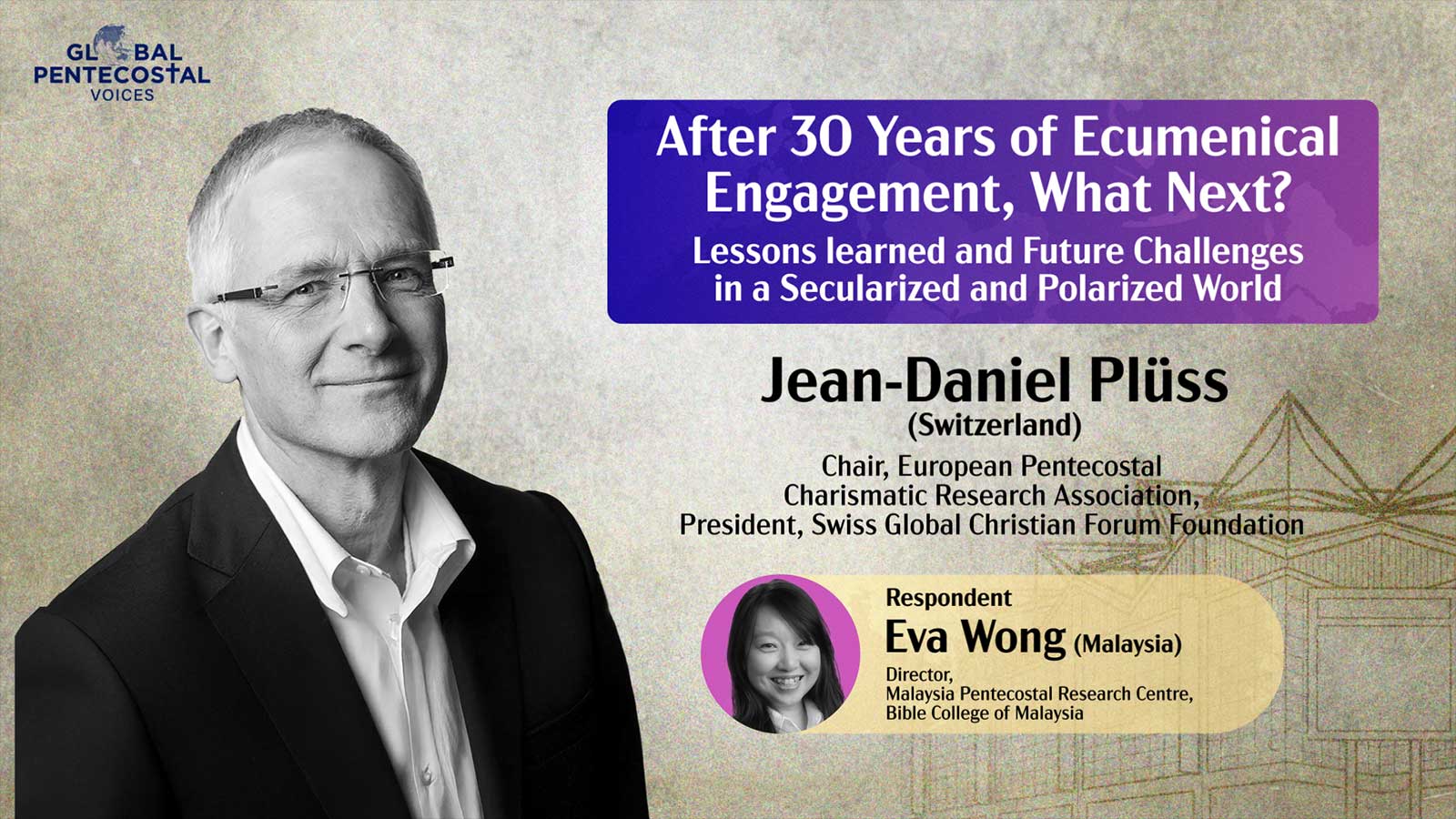
Lessons Learned During 30 Years of Ecumenical Dialogue.
What Future Challenges Can Be Expected? (EAPS 2025)
Having been involved in various ecumenical dialogues over the past three decades, I have gained some important insights. Much progress has been made, yet the question remains: How can we, despite our diverse histories and identities, live and function as the Church together? Secularising tendencies in our societies that bring about new challenges, especially in the large urban centres. For the sake of a credible Christian witness, we need to be able to address common concerns together. There are fundamental spiritual desires that are not met in a secular context. The Christian churches have the opportunity to respond to these human yearnings, to a void that is felt, and present the Good News of Jesus Christ in relevant ways. Furthermore, as we live in increasingly pluralistic societies, we witness a growing polarisation of attitudes. This is evident in one-sided nationalist agendas and a discourse rooted in fear. The ecumenical work done so far can serve as a bridge for a common Christian witness “so that the world may believe.”