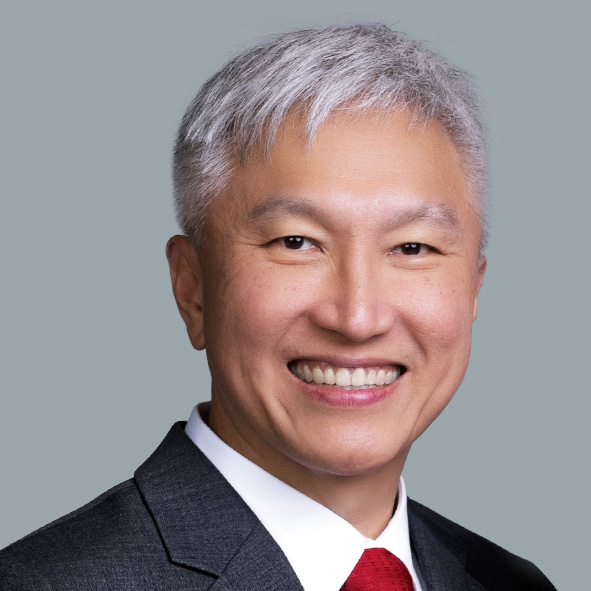
Kong Hee holds an MA in theology from Vanguard University in the United States and is currently pursuing a PhD under the supervision of Professor Frank Macchia. He also earned a BSc in computer science and information systems from the National University of Singapore. In 2008, he was conferred an honorary doctoral degree by Hansei University.
Kong is the senior pastor of City Harvest Church, which he co-founded with his wife Sun in 1989. CHC has a congregation size of 24,228, with a collective membership of approximately 70,000, including all branch and affiliate churches. In 2012, CHC was ranked the ninth largest church in the world.1
Kong did missionary and church-planting work in the 1980s. He founded the School of Theology in 1994, which has since graduated over 8,800 students, many of whom are pastors and missionaries. Alongside his wife, they co-founded the “Church Without Walls” initiatives (1996) and City Harvest Community Services Association (1997), both of which helped 11,594 people in need in 2023. Kong is also a spiritual son of the late Dr David Yonggi Cho.
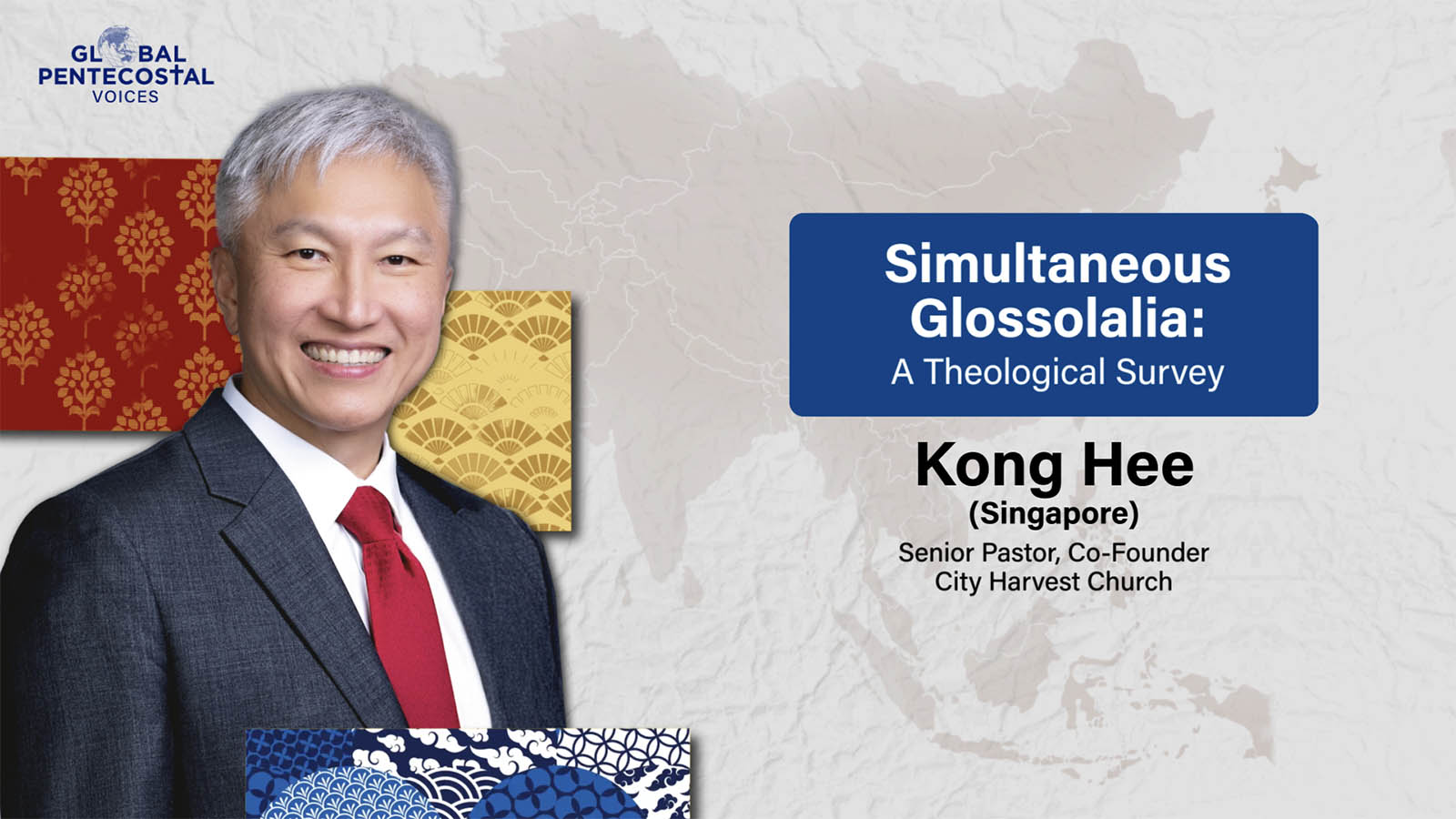
Simultaneous Glossolalia: A Theological Survey (APS 2025)
This paper argues that simultaneous glossolalia—many believers praying or singing in tongues together—belongs at the heart of Pentecostal piety and mission. From Azusa Street onwards, such Spirit-empowered, united prayer sparked renewal, encounters with God, and evangelistic zeal. What ignited the movement should also sustain it. Yet as Pentecostalism has become more socially respectable, especially in urban megachurches, leaders have often muted this practice to appear seeker-friendly and to avoid controversy with fundamentalist critics.
The study answers five common objections: (1) against cessationism, it contends that the gifts have appeared across church history and will endure until Christ’s return; (2) against “xenolalia only,” it shows that Scripture presents tongues primarily as God-directed praise and prayer—sometimes interpreted, not merely missionary speech; (3) pastorally, it notes that tongues can draw unbelievers and edify the church when properly taught and exercised; (4) exegetically, it distinguishes ministry tongues (one-by-one with interpretation) from devotional tongues (corporate prayer and worship), both affirmed in Scripture; and (5) against claims that tongues is the “least” gift, it highlights Paul’s gratitude for tongues and their distinctive sign-character.
Contemporary Asian case studies from South Korea, Indonesia, India, Malaysia, and China show congregational tongues fostering unity, courage, church growth, and resilience under pressure. The paper calls Pentecostal churches to recover wise, ordered simultaneous glossolalia as a biblical, historic, and missional practice.
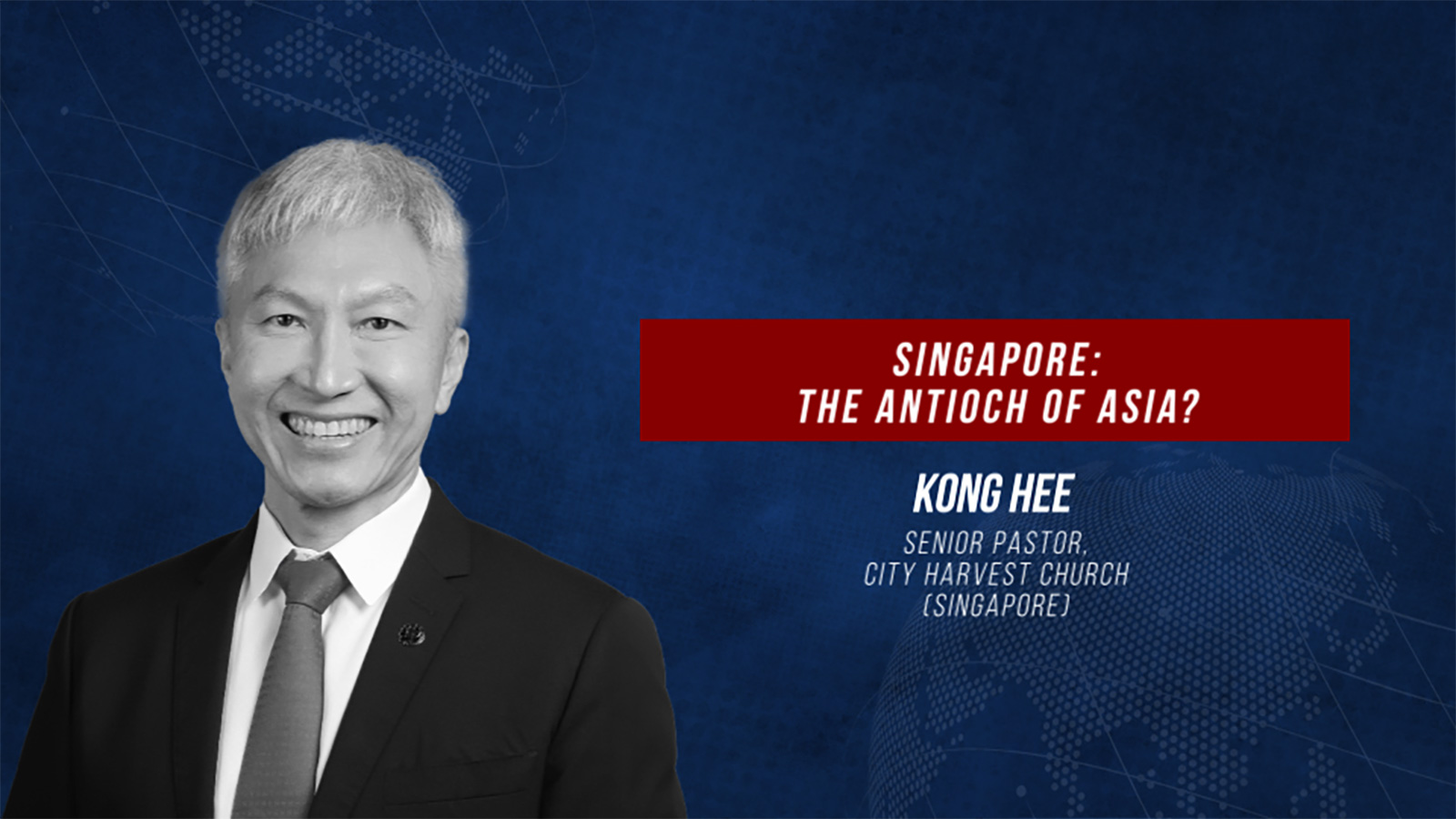
Singapore is emerging as what might be termed “the Antioch of Pentecostalism” in the East. Its geographical advantage, stability and multiculturalism is establishing it as a Pentecostal epicentre. Its thriving Pentecostal community, comprising churches and educational institutions, is a launching pad for Pentecostal missions to neighbouring regions. However, several challenges loom. Singapore’s laws to maintain social harmony necessitates the rethinking of Pentecostal worship and evangelism. Pentecostalism faces resistance and competition from established Asian religious traditions, necessitating interfaith dialogue and cooperation. Maintaining the movement’s authenticity is challenging in the cosmopolitan and commercialised city-state, with its global connectivity and openness to all ideas.