This page will house the official resources from APS 2025, including downloadable papers and video recordings of each session. These materials are currently being prepared and will be made available in due course. We invite you to revisit this page periodically for updates.
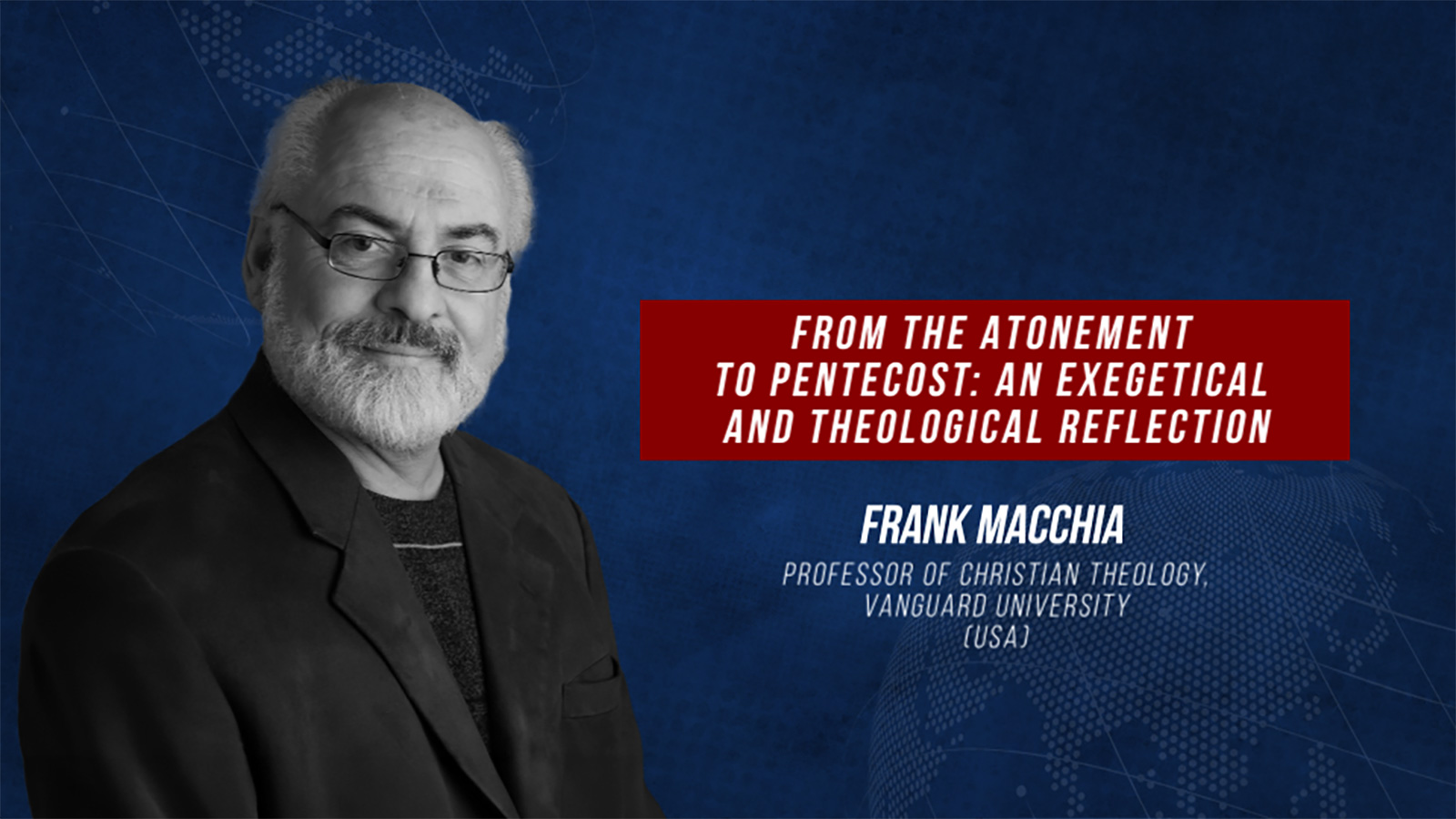
From the Atonement to Pentecost: An Exegetical and Theological Reflection
Many separate the atonement from Pentecost to the degree that the link between them is lost. I wish to explore that link. The link is based on the insight that the cross of Christ is not limited to Israel. Rather, Christ seeks at the cross to open his life to all peoples, redeeming persons “from every tribe, and language, and people, and nation” (Rev. 5:9) and breaking down the wall of hostility between them (Eph. 2:14-16). The Spirit is poured out on all peoples at Pentecost in loyalty to the cross and for the sake of the crucified and risen Christ.
The Challenges of the Church in China in the Next Decade
This paper will look at the challenges ahead for the Church in China and provide a general orientation of Xi Jinping’s governance, particularly those elements with direct bearing on the present state of the Church. It will follow by highlighting several issues which would perceive as major challenges facing the Church in China in the coming decade: Ecclesial manifestation and internalization of faith, Christian Unity, Sinicization: Christianity in China or Chinese Christianity, and lastly Missiology, Diasporas and nationalistic sentiment.
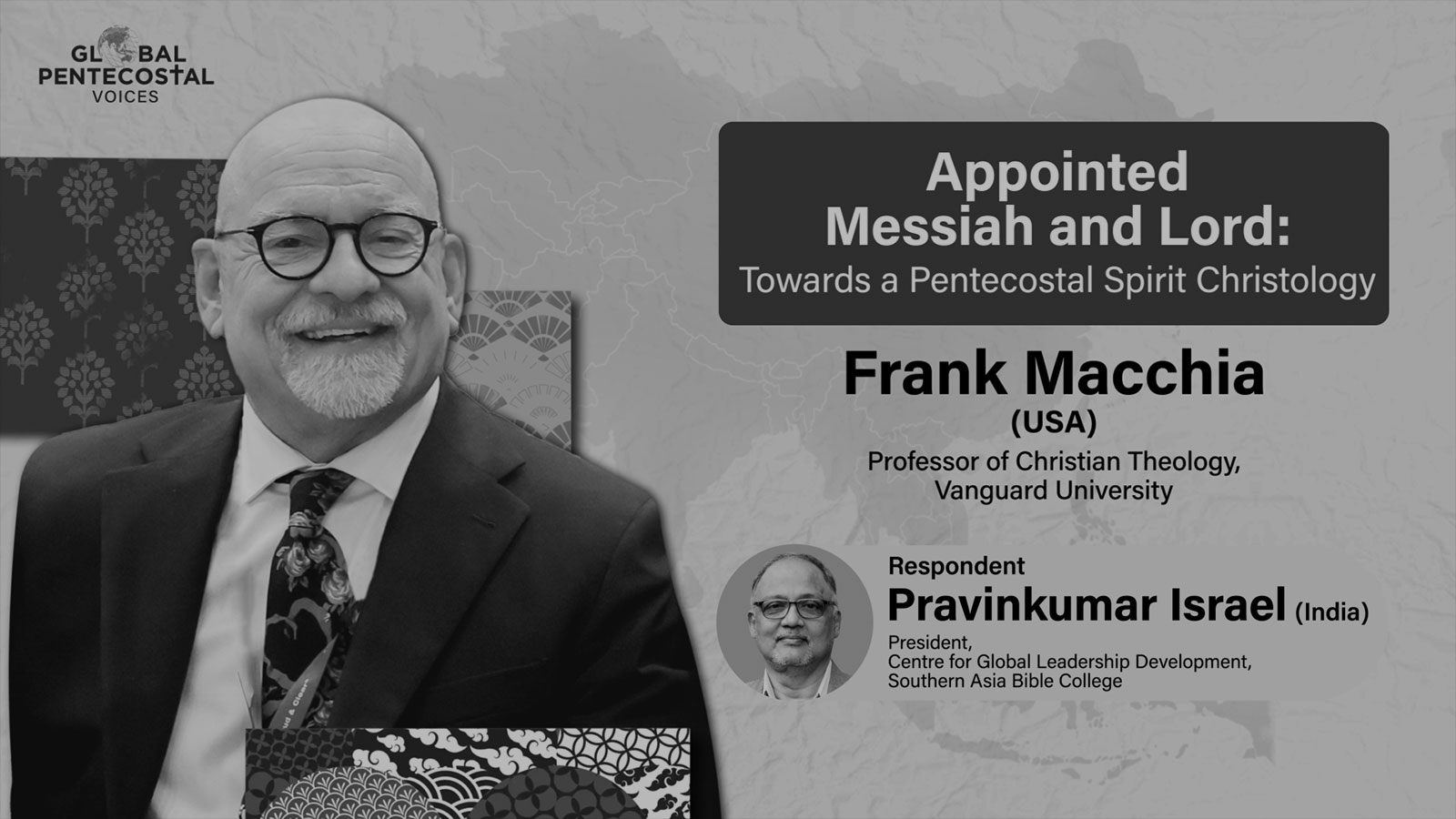
Appointed Messiah and Lord: Towards a Pentecostal Spirit Christology
Pentecost is not merely a moment. It is the culmination of Christ’s messianic mission. This presentation traces the narrative arc from incarnation to exaltation, showing how Jesus is appointed Messiah and Lord through resurrection and the outpouring of the Spirit. Drawing from Luke–Acts, Macchia presents a Spirit Christology that centers on Jesus as the Spirit-Baptizer, whose reign is marked by empowerment, inclusion, and mission.
From the Spirit-conceived Son in Mary’s womb to the Spirit-anointed Messiah at the Jordan, and finally to the exalted Lord who pours out the Spirit at Pentecost, Christ’s journey is one of faithful obedience and transformative power. His victory over sin and death is not only personal—it is shared, extended to all flesh through the Spirit. This is a Christology of divine communion, where the Spirit unites us to Christ and to one another in mission and holiness.
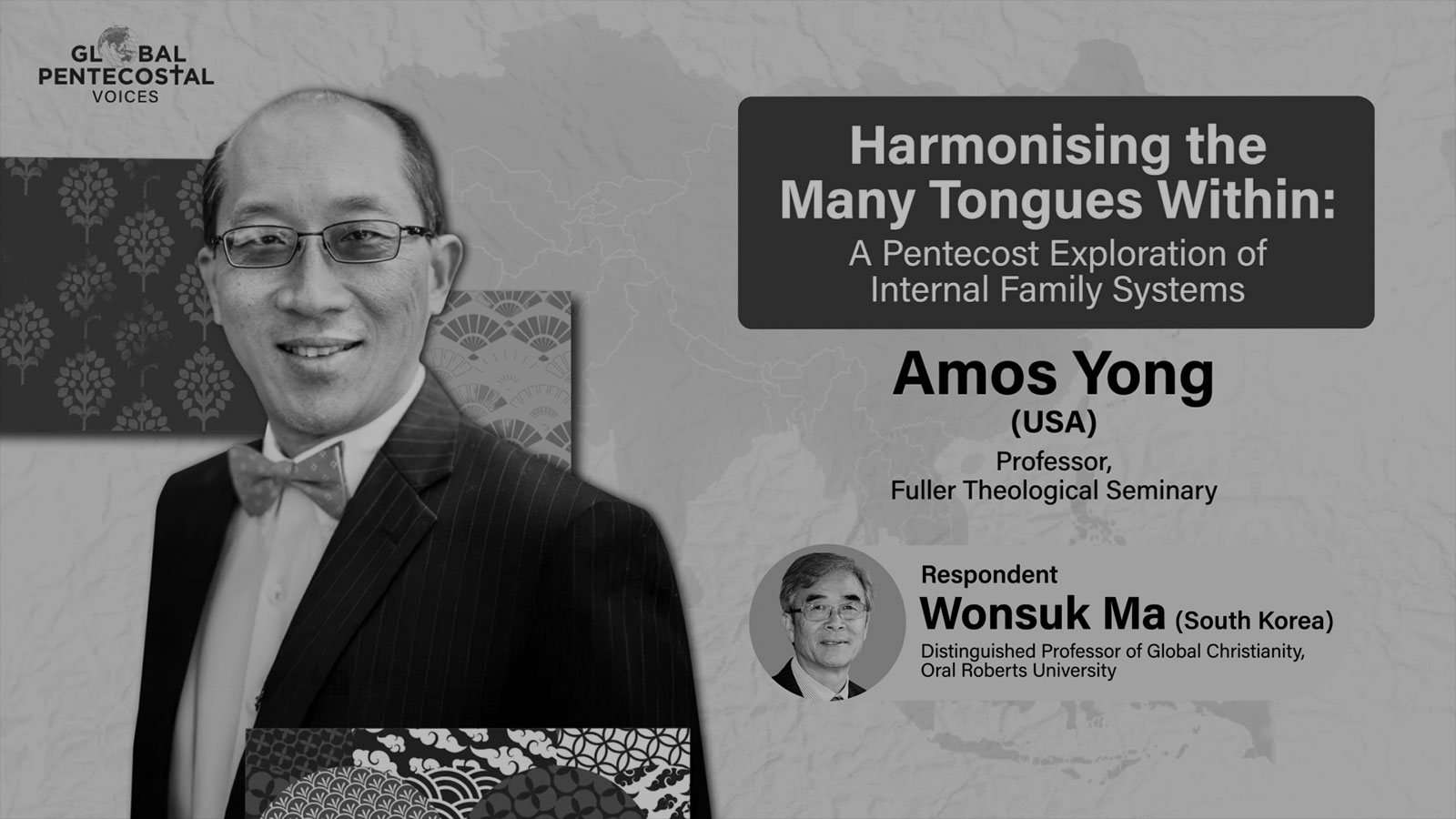
Harmonising the Many Tongues Within: A Pentecost Exploration of Internal Family Systems
Internal Family Systems (IFS) is a therapeutic approach to the human psyche that recognizes a multiplicity of sub-personal “parts” in response to life’s ebbs-and-flows resulting often with the obfuscation of the core personal Self. This article brings IFS into dialogue with theological anthropology by situating the IFS understanding of the parts-and-the-Self against the backdrop of dominant theological and psychological models of the human person and by an initial engagement with pentecostal spirituality, in particular, recent developments that foreground the Day of Pentecost narrative as a foundational theological resource. We suggest both that IFS can inform the nascent and embryonic exploration of a pneumatological anthropology on the one hand and spiritually oriented practitioners of IFS can be further undergirded with theologies that are holistic, embodied, and engaged on the other hand.
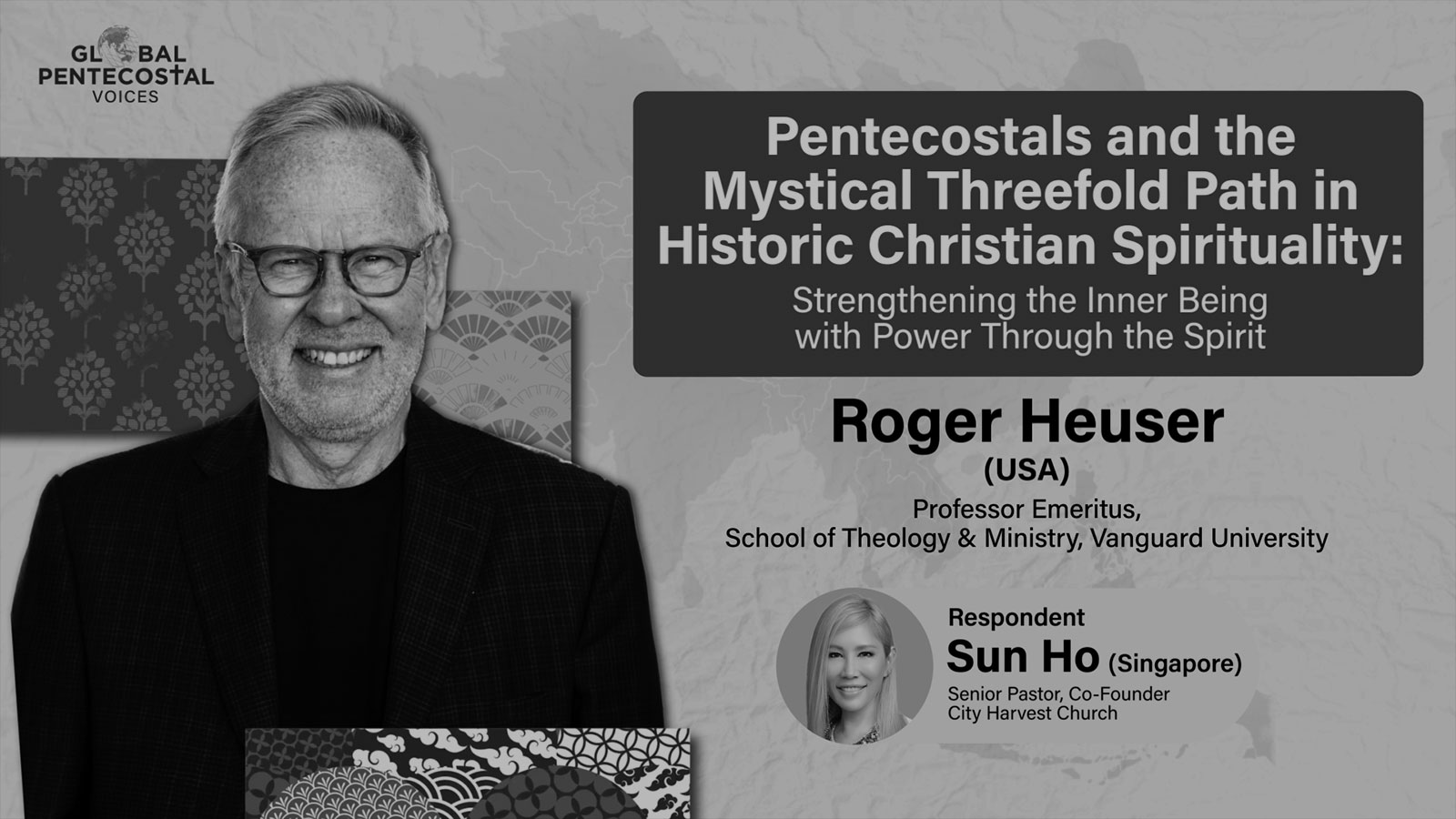
Pentecostals and the Mystical Threefold Path in Historic Christian Spirituality: Strengthening the Inner Being with Power Through the Spirit
Increasingly, scholars have framed Pentecostals’ theological identity and spirituality flowing in multiple streams of Christianity, including the historic, mystical stream. What can we learn from the mystical forbearers of Christian faith? What does mystical theology have to offer a Spirit-Empowered Global Christianity? Could the mystics’ theological understanding of the soul’s journey toward intimate union with God inform Pentecostal understandings of sanctification and spiritual formation? My aim in this paper is to explore the theological/metaphorical frameworks used by Teresa of Avila and John of the Cross who, among others in mystical theology, described the soul’s journey in what has come to be known as the Threefold Path – the Way of Purgation (Purification), the Way of Illumination, and the Way of Union. I will also propose potential arguments for Pentecostals to consider in accentuating the Spirit-abiding presence of the soul’s journey toward Christlikeness.
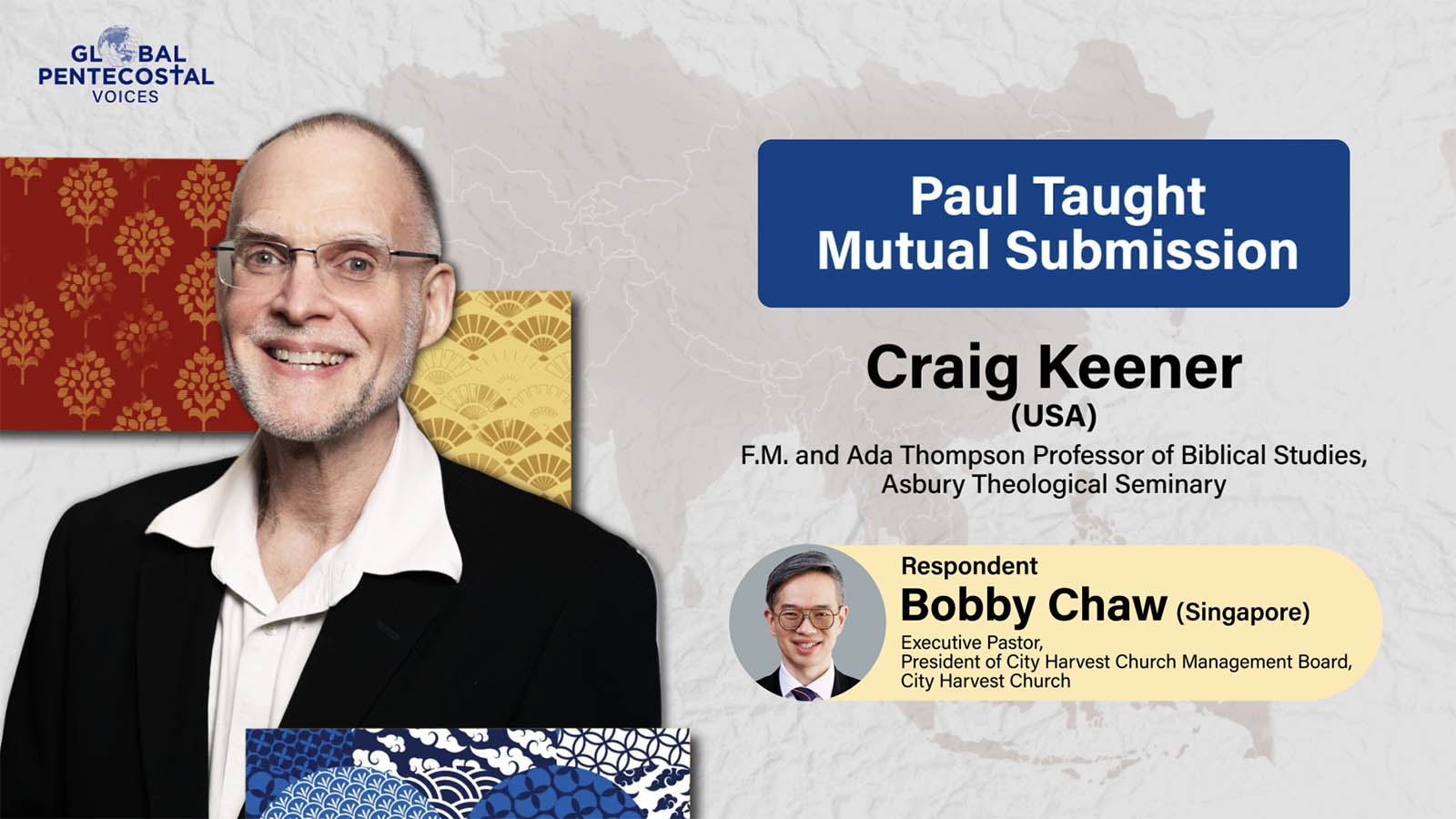
The longest passage that some to support wives’ submission is Ephesians 5:22-33. But it belongs to a wider passage addressing submission, 5:21—6:9. This passage uses the ancient literary form of household codes. Although Paul contextualizes submission for his audience in the Roman empire, he qualifies the code in a specifically Christian way, explicitly framing the code with the call to mutual submission, both regarding marriage (5:21) and slavery (6:9). His invitation to wifely submission is grammatically inseparable from his invitation for mutual submission. This follows Jesus’s teaching that calls all Jesus’s followers to serve one another. Similarly, when Peter urges submission to every human institution (1 Pet 2:13), he gives examples within his culture of kings, slaveholders, and husbands (2:13—3:6), without expecting all cultures to continue monarchy, slavery, or patriarchal marriage.
Many Tongues, Many Professions: Toward a Pentecostal Theology of Vocation
The outpouring of the Spirit at Pentecost unleashed a multiplicity of tongues, each a witness, each a testimony. This presentation invites us to consider how this linguistic diversity not only affirms the personal and cultural specificity of Christian witness but also opens up a theology of profession and vocation. From the mother tongue to the marketplace, the Spirit empowers believers to testify through word and deed, through speech and skill.
Drawing from Acts and Pentecostal experience, the paper explores how testimony flows from lived encounter, and how professions—whether seamstress, tentmaker, or scholar—become Spirit-filled expressions of divine calling. Vocation, then, is not singular but plural, shaped by the rhythms of life, the transitions of career, and the ongoing work of the Spirit. In this vision, Pentecost is not a moment but a movement, one that calls every believer to bear witness in their own language, in their own work, and in their own way.
What does it mean to be chosen by God? In this presentation, I reclaim the doctrine of election through a Pentecostal lens; Christ-centered, Spirit-empowered, and missionally expansive. Rejecting deterministic views that divide humanity into the eternally saved and damned, I draw from Karl Barth to affirm that election is not a hidden decree but a revealed promise in Jesus Christ, the elect Son for all.
Election is God’s eternal decision to be God with and for us. It is fulfilled in Christ’s incarnation, death, and resurrection, and extended to all through the Spirit. Israel and the Church are the environments of this promise, called to bear witness to the world. Yet election is not automatic—it must be received by grace through faith. The Spirit, as the Spirit of adoption, draws us into this covenantal life, empowering the Church to proclaim the Gospel of divine favor to all nations.
I aim to show that election is not about exclusion but about the overflowing generosity of God’s love. It is a call to communion, mission, and hope; rooted in Christ, carried by the Spirit, and destined for the renewal of all creation.
Lessons from Letters to Churches in the Digital Age: Why Pentecostalism Needs a Digital Theology
In a world increasingly shaped by screens, algorithms, and artificial intelligence, this paper calls on Pentecostal churches to develop not just digital strategies—but a Spirit-led digital theology. Drawing from my work in digital religion and theology, I want to challenge leaders to reflect deeply on how technology reshapes worship, community, and spiritual authority.
Through a creative reimagining of Revelation’s letters to the churches, the presentation introduces three symbolic congregations; Luddite-ocia, Technopolis, and Middle-Tech, each representing different postures toward digital engagement. It is vital that churches to move beyond fear or uncritical embrace, and instead cultivate discernment, humility, and theological reflection in their use of digital tools.
Pentecostalism, with its emphasis on Spirit-empowerment, testimony, and prophetic witness, has much to offer the digital age. But to lead faithfully, it must listen to the Spirit’s voice amid the noise of media culture. Digital theology is not optional, it is essential for churches seeking to be light in both sacred and virtual spaces.
"Empowering the Empty-Handed": Spirit-Power and the Church-in-Mission
Pentecostals speak often of power, but what kind of power truly reflects the Spirit of Christ? This presentation will discuss the biblical ideal of Spirit-power as revealed in Jesus’ Nazareth Manifesto: good news for the poor, freedom for the oppressed, and healing for the broken. This power is not for control or manipulation, but power for restoration.
Drawing from Luke’s Gospel, the concept of Jubilee, and the lived realities of the poor, the presentation seeks to expose the web of lies that entrap the powerless—systems of oppression such as false cultural narratives and spiritual forces. True Spirit-power is rooted in and flows from the incarnation, the towel and basin, and the cross. It is power made perfect in weakness, reflected in servanthood, and unleashed in love.
This paper calls the Pentecostal church to embody the Spirit’s mission—not only in signs and wonders, but in sacrificial service, justice, and holistic transformation. In a world hungry for hope, the Spirit empowers the empty-handed to rise, speak, and flourish.
The Liturgy and the Already-Not Yet Problematic: Towards a Holistic Pentecostal Spirituality
Historically, Pentecostal-charismatics have not managed well the biblical tension between the “already” and “not yet” of the eschatological kingdom. This paper proposes that the liturgy can address this problem. Practicing the liturgy will result in a holistic Pentecostal spirituality.
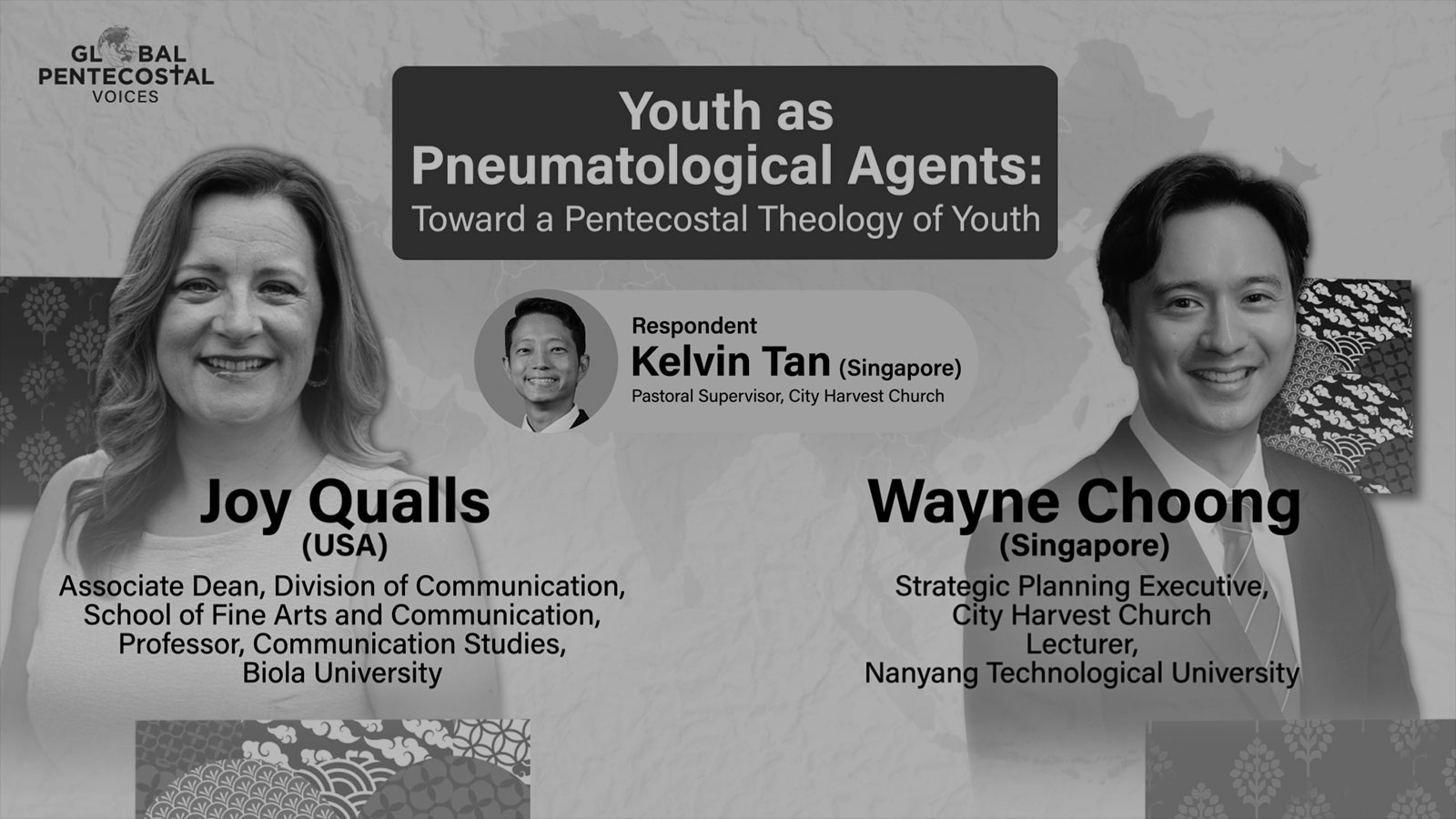
Youth as Pneumatological Agents: Toward a Pentecostal Theology of Youth
This paper contends that Pentecostal youth are pneumatological agents – Spirit-empowered co-creators of theological praxis, leadership, and community life. Turning from reductive generational labels, it unveils how young people discern, imagine, and embody faith across cultural, ecclesial, and digital landscapes. It calls for a more robust Pentecostal theology of youth that is inherently youth-centered, one that recognizes and bears witness to their Spirit-given vocation within the global Pentecostal movement today.
Theological Tasks for Spirit-Empowered Mission in Asia
Asia is home to vibrant cultures, deep spiritual traditions, and immense missional challenges. This presentation identifies five theological priorities for Asian Pentecostals to strengthen Spirit-empowered witness across the continent. From Spirit baptism to holistic mission, the church is called to deepen its theological roots while expanding its missional reach.
The presentation explores the empowering nature of Spirit baptism, the prophethood of all believers, the role of signs and wonders, engagement with other religions, and compassionate ministry amid suffering. Each theme is examined through the lens of Asian contexts, where animism, hierarchy, and poverty intersect with the gospel. It urges Pentecostals to embrace discipleship, steward spiritual power, and embody the Spirit’s life-giving work in both proclamation and service.
When Paul writes to former colleagues in Rome, he commends the ministries of more women than men; one of those he commends he even labels a fellow apostle. Paul, who ranks apostles and prophets as the most prominent ministries, allows for women to prophesy. His most common terms for ministry, diakonos (“minister,” “servant”) and sunergos (“fellow worker”), he applies to women as well as men. So why do two passages seem to limit women’s ministry? Although Mediterranean antiquity provided women less access to learning, Paul in both passages invites women to learn. The one passage that grammatically might prohibit women from teaching appears in the one set of letters where we know that false teachers were targeting women with their teaching. In general, then, Paul affirmed women in ministry; he restricted it only where necessary for specific situations.
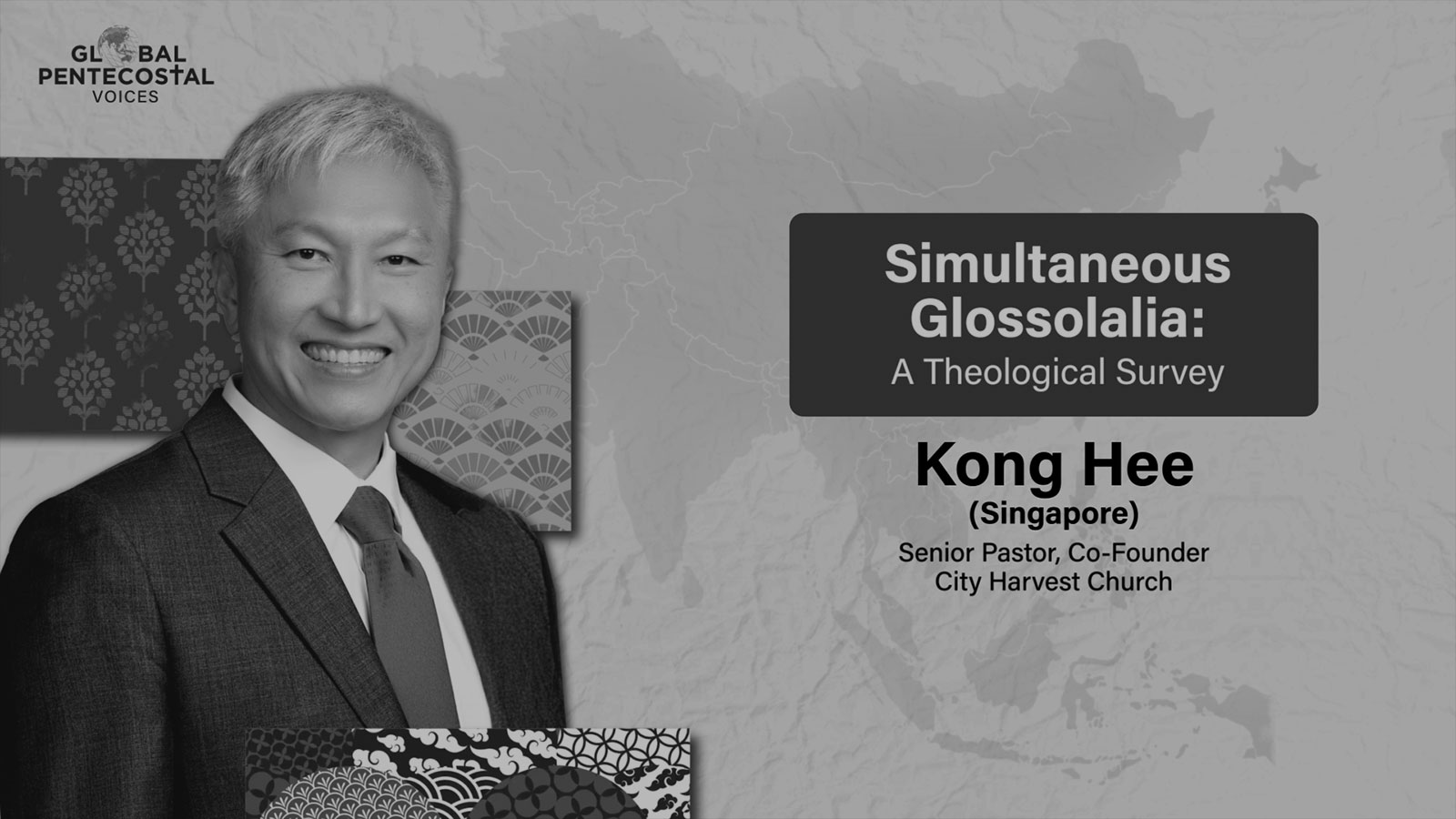
This paper argues that simultaneous glossolalia—many believers praying or singing in tongues together—belongs at the heart of Pentecostal piety and mission. From Azusa Street onwards, such Spirit-empowered, united prayer sparked renewal, encounters with God, and evangelistic zeal. What ignited the movement should also sustain it. Yet as Pentecostalism has become more socially respectable, especially in urban megachurches, leaders have often muted this practice to appear seeker-friendly and to avoid controversy with fundamentalist critics.
The study answers five common objections: (1) against cessationism, it contends that the gifts have appeared across church history and will endure until Christ’s return; (2) against “xenolalia only,” it shows that Scripture presents tongues primarily as God-directed praise and prayer—sometimes interpreted, not merely missionary speech; (3) pastorally, it notes that tongues can draw unbelievers and edify the church when properly taught and exercised; (4) exegetically, it distinguishes ministry tongues (one-by-one with interpretation) from devotional tongues (corporate prayer and worship), both affirmed in Scripture; and (5) against claims that tongues is the “least” gift, it highlights Paul’s gratitude for tongues and their distinctive sign-character.
Contemporary Asian case studies from South Korea, Indonesia, India, Malaysia, and China show congregational tongues fostering unity, courage, church growth, and resilience under pressure. The paper calls Pentecostal churches to recover wise, ordered simultaneous glossolalia as a biblical, historic, and missional practice.
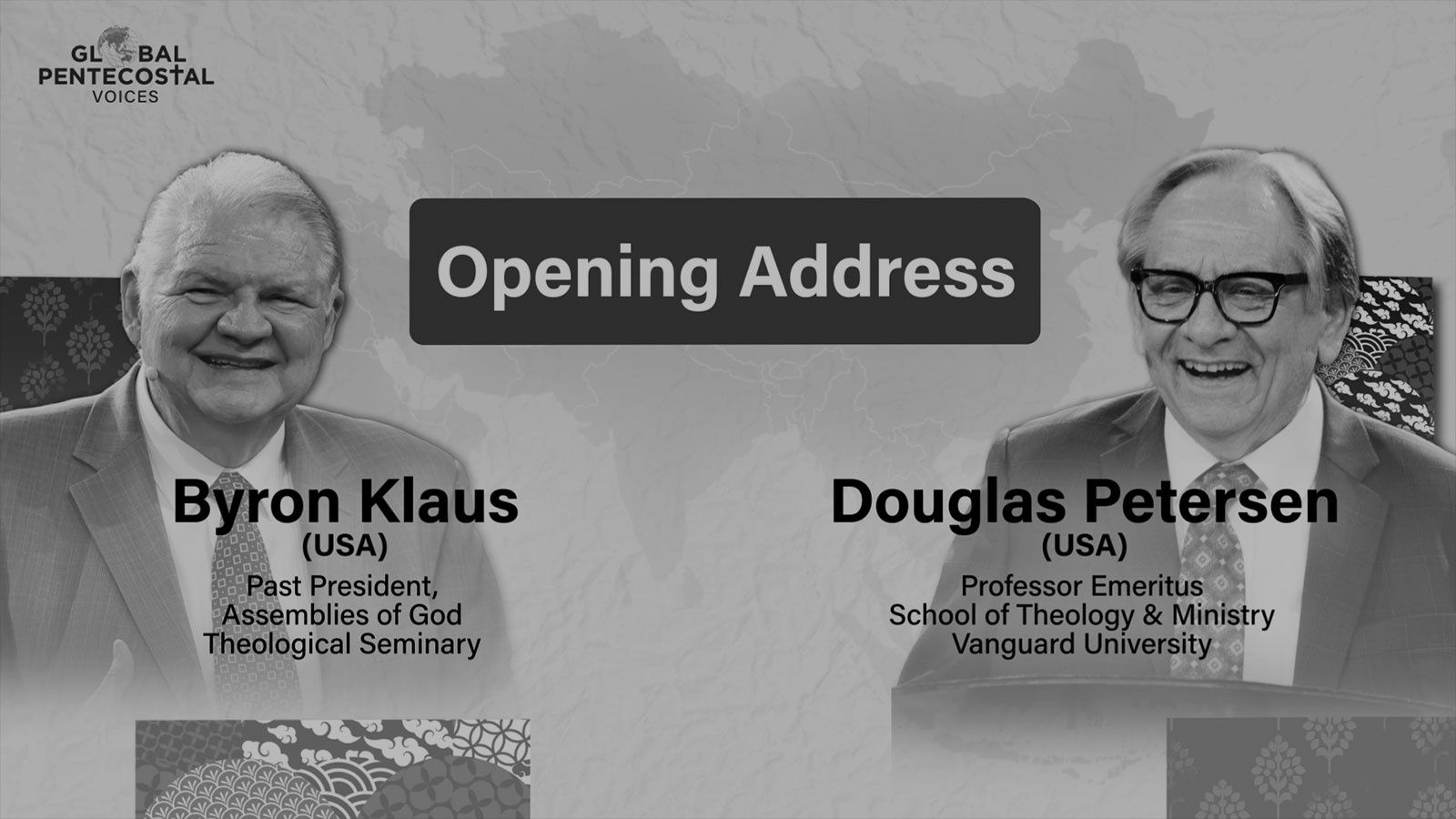
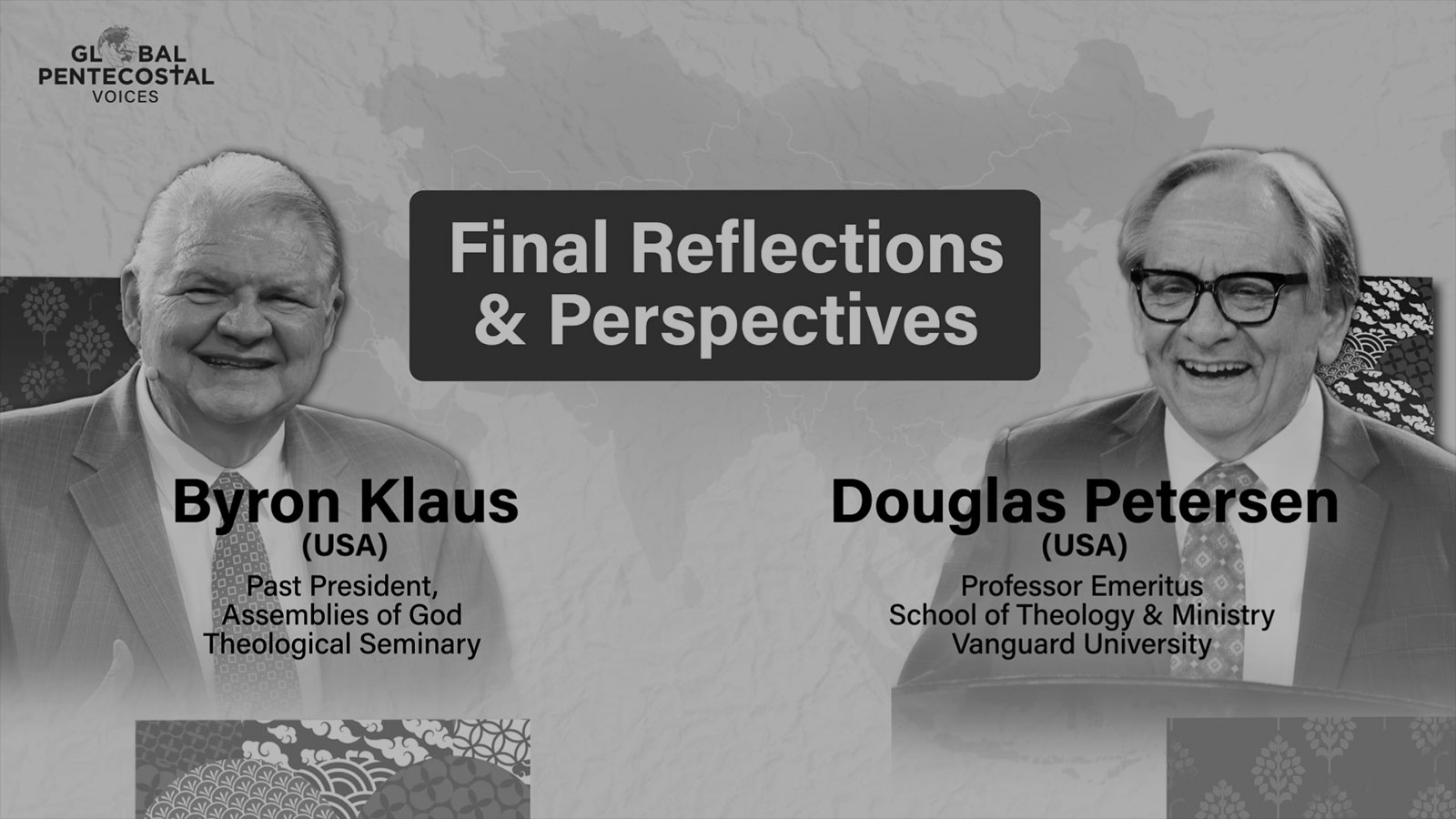
Margaret S. Smith Distinguished Professor of World Missions and Intercultural Studies, Vanguard University (USA)
Douglas Petersen is the Margaret S. Smith Distinguished Professor of world missions and intercultural studies at Vanguard University in California. He is one of the foremost ethicists and Pentecostal leaders in the world today. Prof Doug and his wife Myrna founded non-profit organisation Latin America Childcare (currently known as ChildHope) to give hope and a future to poverty-stricken children. Under his leadership, ChildHope has since expanded to 22 countries in Latin America and the Caribbean, providing education, food, and medical programmes to 100,000 children in 300 schools.
Prof Doug received his PhD from the Oxford Centre for Mission Studies. As a Pentecostal thought leader, he has written books, published many journal articles and book reviews, and given lectures and public addresses in seminaries, Bible colleges and conferences, including the World Vision Leadership Symposium.
In 2022, Prof Doug was honoured for 50 years in ministry by the SoCal Network of the Assemblies of God in San Diego. In 2016, he received the Lifetime Achievement Award by the Society for Pentecostal Studies. His book Not By Might Nor By Power: A Pentecostal Theology of Social Concern (1996) was selected as one of the Outstanding Books of 1996, as well as the Outstanding Book of the Decade (1990 to 2000). He also received Outstanding Book of the Year in 1999 for The Globalization of Pentecostalism: A Religion Made to Travel (1999).
Prof Doug’s recent teachings include theological themes in the New Testament, the Corinthian letters, organisational business ethics, current issues in mission studies, leadership and global issues, mission and culture in theological perspective, contemporary moral issues, research methodology/leadership studies, entrepreneurship, as well as conflict and change.
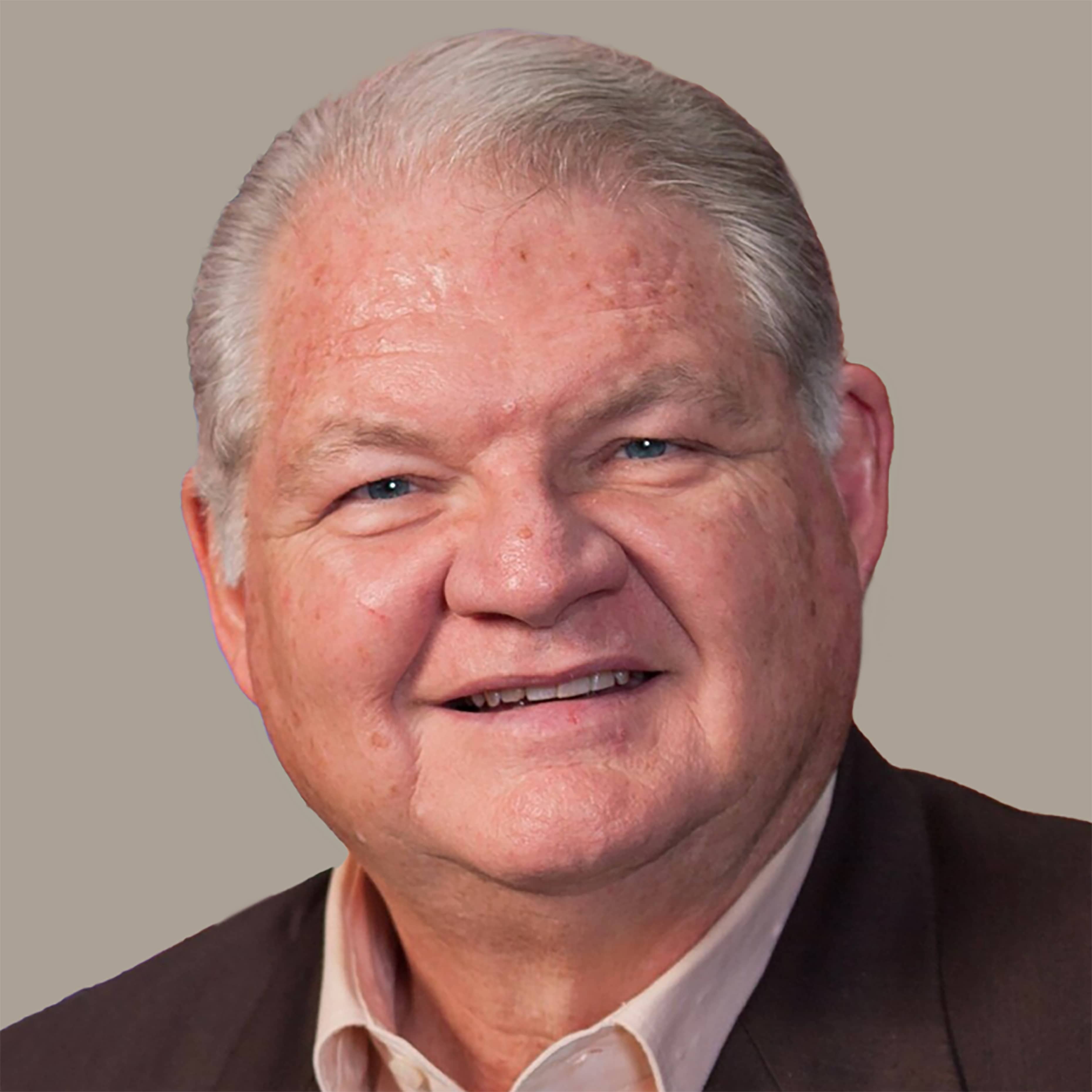
Prof Byron Klaus
Past President, Assemblies of God Theological Seminary (USA)
Byron Klaus was formerly the president of the Assemblies of God Theological Seminary (AGTS). Prior to that, he served for 20 years on the faculty and administration of Vanguard University in California. During that time, he was the vice president of Latin America Childcare (currently known as ChildHope), a child development ministry which, at that time, helped over 80,000 children in 21 nations in Latin America and the Caribbean. He has also served in the churches of California, Texas, and Illinois.
Prof Byron received his BSc from Bethany Bible College, MRE from Southwestern Baptist Theological Seminary, and DMin from Fuller Theological Seminary. His commitment to leadership development in growing churches around the world has taken him to over 50 nations in the world, where he preaches and develops leaders. Among his wide spectrum of scholarly works are Called and Empowered: Pentecostal Mission in Global Perspective (1991) and The Globalization of Pentecostalism: A Religion Made to Travel (1999), which he co-edited.
After his retirement from the presidency of AGTS, Prof Byron continued to teach courses at seminary and returned to ChildHope to be its vice president. He received the Distinguished Educator Award from the Alliance for Assemblies of God Higher Education in 2009, and the Lifetime Achievement Award from the Society for Pentecostal Studies in 2016.
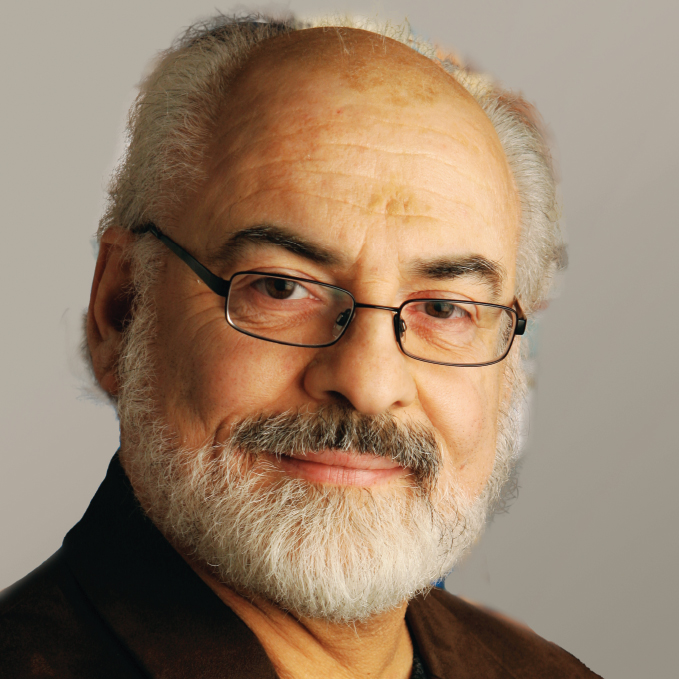
Prof Frank Macchia
Professor of Christian Theology, Vanguard University (USA)
Frank Macchia is the associate director of the Centre for Pentecostal and Charismatic Studies at Bangor University in Wales, and he is also a professor of Christian Theology at Vanguard University in California. He holds an MDiv from Union Theological Seminary at Columbia University in New York and DTh from the University of Basel in Switzerland. He received his doctorate with distinction and won the Jacob Burckhardt Prize for his dissertation on the message of the Blumhardts.
Prof Frank was formerly the president of the Society for Pentecostal Studies (SPS) and the editor of its Pneuma journal. He received the Lifetime Achievement Award by the SPS in 2015. He was also awarded an honorary DDiv from the Pentecostal Theological Seminary in Tennessee, which is the leading seminary for the Church of God.
As an ecumenical theologian, Prof Frank engages in broad conversations, serving six years on the Faith and Order Commission of the National Council of Churches in America, as well as in other conversations, such as the Reformed and Pentecostal Dialogue. He has participated in numerous ecumenical consultations, including the World Council of Churches/Evangelical Dialogue, and the Consultation on Christian Unity held at Princeton Theological Seminary.